15 July 2026
The duty of care to lone and at-risk workers
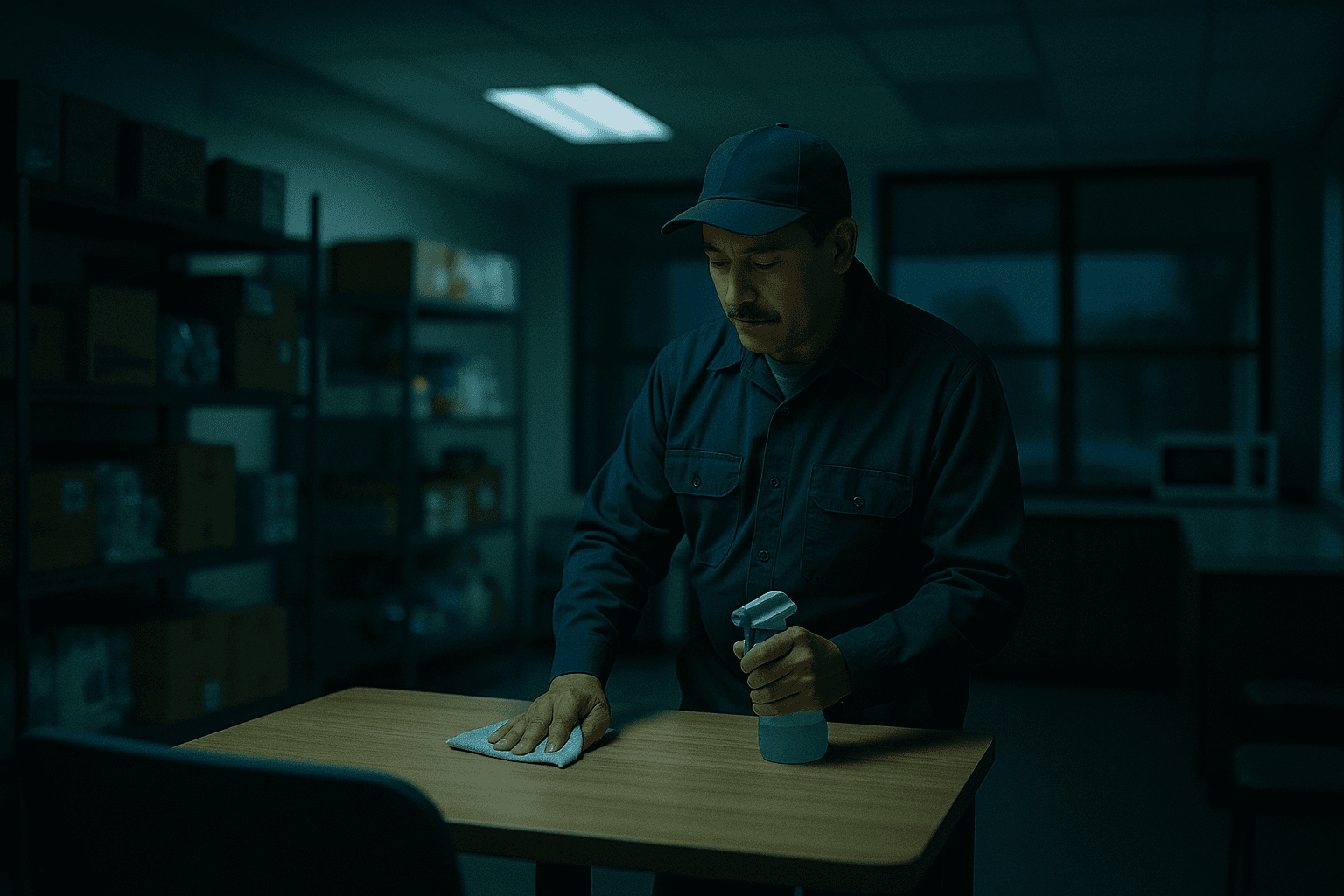
UK employers owe lone and at-risk workers a clear duty under the Health and Safety at Work etc. Act 1974 and the Management of Health and Safety at Work Regulations 1999 to assess and control the risks of lone working and of violence. In practice that means a risk assessment, a way for a worker to raise the alarm, and a response that reaches them quickly, with a record to show the control works.
A sharpening legal expectation
Lone working is not banned, but the risks must be assessed and controlled. For public-facing staff, that increasingly includes the risk of violence and aggression, which retail, housing and healthcare have all seen rise.
The Management of Health and Safety at Work Regulations 1999 require suitable and sufficient risk assessment. Where a worker is alone in a property, a stockroom or a community setting, the assessment has to answer a simple question: if something goes wrong, how does anyone find out, and how fast can help arrive?
What good control looks like
A credible lone-worker control gives the worker a simple, discreet way to raise an alarm, delivers that alarm to someone who can act, and carries a location so help is directed rather than searching.
Check-in regimes and phone apps help, but they depend on the worker remembering, having signal, and being able to reach the device. A safety tag that raises a located duress alert at the press of a button removes several of those failure points.
Evidence and assurance
Regulators, boards and insurers increasingly want proof that a control is real and used, not just written down. A system that logs when an alert was raised, where, and that it was answered, turns duty of care from a policy into demonstrable practice.
The Salvus Network provides that located duress cover and the record behind it across retail floors, housing stock and clinical settings alike, protecting people and evidencing the duty at the same time.

Robin Hind
Managing Director, Res.Digital
Robin Hind is Managing Director of Res.Digital, the technology company behind The Salvus Network. He leads the team building the platform and works directly with the industrial, construction and high-risk sites that use it to account for their people, assets and emergency response in real time.
Connect on LinkedInBook a live evacuation demo
A guided live walk-through of what the platform can do.